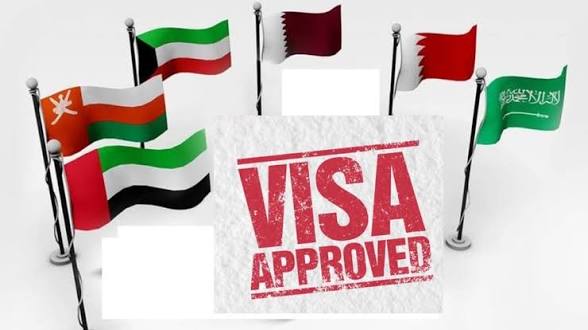
Introduction: Bahrain Announces Visa Relief for Travelers Affected by Gulf Airspace Closure
Travelers planning to visit Bahrain or currently staying in the Gulf island nation have received an important update regarding visa regulations and travel flexibility in 2026. Following major regional airspace disruptions across the Middle East, Bahraini authorities have announced a series of temporary immigration relief measures designed to assist international visitors whose travel plans were affected by widespread flight cancellations. The decision places Bahrain alongside several other countries in the region—including Qatar, Saudi Arabia, the United Arab Emirates, Oman, Kuwait, Jordan, and Lebanon—that have introduced similar visa relief policies to support travelers during the current aviation disruption. These measures aim to reduce the burden on tourists and business travelers who were unable to leave or enter the country due to circumstances beyond their control.
The policy changes include waiving overstay fines for certain tourists and granting visa extensions for travelers whose visits were disrupted after regional airspace closures began on February 28, 2026. These disruptions forced airlines to suspend many flights across the Gulf region, creating challenges for thousands of passengers traveling for tourism, business, or family visits. Because Bahrain serves as an important aviation and tourism hub in the Middle East, the sudden changes in flight operations affected both inbound visitors and those who were already staying in the country when the disruptions began. By introducing visa flexibility measures, the Bahraini government aims to ensure that international travelers do not face penalties while waiting for flight operations to return to normal.
For many visitors exploring Bahrain’s cultural landmarks, coastal resorts, and historic districts, the announcement provides reassurance that their stay remains legally protected during this unusual travel situation. At the same time, travelers who had already obtained Bahrain visit visas but were unable to travel due to cancelled flights will also benefit from extended visa validity. The decision reflects Bahrain’s commitment to maintaining its reputation as a welcoming and traveler-friendly destination in the Gulf region, even during periods of regional instability. As aviation conditions gradually improve and airlines resume international routes, the visa relief measures will help ensure a smoother transition for travelers adjusting their plans and rescheduling their journeys.
Why Bahrain Introduced Visit Visa Extensions in 2026
The decision to extend visit visas and waive visa fines in Bahrain did not occur in isolation but rather as part of a broader regional response to travel disruptions caused by ongoing tensions in the Middle East. Beginning on February 28, 2026, several countries in the region implemented temporary airspace restrictions due to security concerns, resulting in widespread flight cancellations and route suspensions across major aviation corridors. These developments significantly affected airline operations connecting Europe, Asia, and the Middle East, creating uncertainty for travelers who had planned trips through Gulf transit hubs such as Bahrain International Airport. As a result, thousands of passengers were stranded, forced to postpone their travel plans, or unable to depart their destination on time.
Bahrain’s government recognized that many travelers found themselves in difficult situations through no fault of their own. Tourists who had already entered the country before the airspace closures suddenly faced the possibility of overstaying their visas because flights were unavailable. At the same time, travelers who had applied for Bahrain visit visas but had not yet traveled to the country risked losing their visa validity if their flights were canceled. To address these concerns and reduce stress for international visitors, authorities introduced temporary relief policies that allow travelers to remain compliant with immigration rules without incurring financial penalties.
The move also reflects the importance of tourism and international connectivity to Bahrain’s economy. As a small island nation in the Arabian Gulf, Bahrain relies heavily on tourism, aviation, and regional business travel. Visitors arrive from across the world to experience the country’s unique blend of modern attractions and historic heritage sites. Ensuring that travelers feel supported during periods of disruption helps maintain Bahrain’s global reputation as a safe and welcoming destination. By offering visa extensions and waiving penalties, the government demonstrates a proactive approach to managing travel challenges while prioritizing the well-being of international visitors.
Furthermore, the decision aligns Bahrain with other Gulf and Middle Eastern nations that have implemented similar measures during the current crisis. By coordinating visa relief efforts across multiple countries, regional governments are working together to stabilize the travel industry and maintain confidence among international tourists. These collaborative efforts highlight the importance of flexibility in immigration policies during extraordinary circumstances, ensuring that travelers are treated fairly and that tourism recovery can proceed smoothly once normal flight operations resume.
Visa Relief for Tourists Currently Staying in Bahrain
One of the most significant components of Bahrain’s visa relief policy focuses on travelers who were already inside the country when airspace disruptions began. Many tourists who had arrived in Bahrain for holidays, business meetings, or family visits suddenly found themselves facing uncertainty about their visa status after airlines suspended flights across the region. Under normal circumstances, tourists whose visas expire must leave the country or apply for extensions before the expiration date, otherwise they may be subject to daily overstay fines. However, because the current disruptions made it difficult or impossible for many visitors to leave on time, Bahraini authorities decided to temporarily waive those penalties.
Under the new policy, tourists whose visit visas expired after February 28, 2026, will not face overstay fines during the disruption period. This measure provides immediate relief for visitors who are waiting for flight schedules to normalize before returning home. By removing financial penalties, the government has reduced the stress experienced by travelers who were worried about accumulating unexpected costs while stranded in the country. The waiver ensures that visitors can remain legally in Bahrain until travel conditions improve, without worrying about immigration penalties that could affect future travel.
This announcement has been particularly reassuring for tourists exploring Bahrain’s major destinations, including the capital city Manama, the historic town of Muharraq, the residential area of Riffa, and the beautiful Hawar Islands known for their natural landscapes and wildlife. These locations attract travelers from across the globe who come to experience Bahrain’s cultural heritage, shopping districts, and coastal attractions. For visitors enjoying their stay when flights were suddenly canceled, the visa relief measures ensure that their trip does not turn into a legal or financial complication.
The policy also demonstrates Bahrain’s commitment to supporting international tourism during challenging times. Rather than strictly enforcing immigration rules that could disadvantage visitors during a crisis, authorities have chosen a more flexible approach that prioritizes fairness and practicality. By protecting tourists from overstay penalties, the government helps preserve positive travel experiences and encourages future tourism once normal conditions return. For many travelers currently in Bahrain, the visa relief announcement provides peace of mind while they wait for airlines to resume regular flight schedules.
Three-Month Extension for Unused Bahrain Visit Visas
In addition to helping tourists already in the country, Bahrain’s visa relief measures also extend support to travelers who had planned to visit the island nation but were unable to travel due to the sudden closure of regional airspace. Many international visitors had already applied for and received Bahrain visit visas before February 28, 2026, with travel plans scheduled during the early months of the year. When flights were canceled and airlines suspended operations, these travelers faced the risk of losing their visa validity without ever using it. To address this issue and ensure fairness, Bahraini authorities announced a three-month extension for eligible unused visit visas.
Under the new policy, travelers who obtained a Bahrain visit visa before February 28 but could not travel because their flights were canceled or suspended will receive an automatic extension if their visa has already expired. This extension allows travelers to reschedule their trips without submitting a new visa application or paying additional visa processing fees. The extra validity period provides flexibility for tourists to plan new travel dates once airlines resume international flights to Bahrain and regional airspace restrictions are lifted.
This decision is particularly beneficial for travelers from Asia, Europe, and neighboring Gulf countries who had planned vacations, business visits, or cultural tours in Bahrain earlier in the year. The country is known for attracting diverse visitors interested in exploring its historic districts, luxury resorts, international sporting events, and vibrant culinary scene. Many of these travelers had invested significant time and money into planning their trips, including booking flights, hotels, and travel packages. By granting a three-month visa extension, Bahrain ensures that those travelers can still enjoy their planned visit without having to restart the visa application process from the beginning.
The extension policy also demonstrates Bahrain’s strategic approach to maintaining tourism momentum despite temporary travel disruptions. Rather than losing potential visitors because of canceled flights, the government has created a pathway for those travelers to return once conditions stabilize. This approach not only benefits tourists but also supports the country’s tourism industry, including hotels, restaurants, transportation providers, and cultural attractions that rely on international visitors. By preserving travel opportunities for those who already obtained visas, Bahrain strengthens its position as a resilient and traveler-friendly destination in the Gulf region.
Impact of Gulf Airspace Disruptions on Regional Travel
The travel challenges that led to Bahrain’s visa relief measures stem from a broader aviation disruption affecting multiple countries across the Middle East. Beginning in late February 2026, escalating regional tensions prompted several governments to impose temporary airspace restrictions as a precautionary measure. These restrictions resulted in widespread flight cancellations, rerouted airline schedules, and temporary suspension of many international routes. As airlines scrambled to adjust their operations, passengers across the world experienced delays, missed connections, and unexpected itinerary changes.
Bahrain’s aviation sector was particularly affected due to the country’s strategic location in the Arabian Gulf. Bahrain International Airport serves as an important gateway connecting travelers between Asia, Europe, and the Middle East. Many passengers use the airport as a transit hub when traveling between regional destinations within the Gulf Cooperation Council. When airspace closures disrupted flight paths across the region, Bahrain’s airport experienced reduced traffic and limited flight availability. This affected not only tourists traveling to Bahrain but also transit passengers who relied on the airport as a connecting point during their journeys.
The disruptions also impacted business travel, which plays a significant role in Bahrain’s economy. The country hosts numerous international conferences, trade exhibitions, and corporate meetings throughout the year, attracting business professionals from across the world. With flights temporarily suspended or rerouted, many business travelers had to postpone meetings or extend their stays in the country. These challenges highlighted the need for flexible visa policies that could accommodate unexpected travel delays without penalizing visitors who were unable to leave on time.
Despite the challenges, Bahrain’s government has worked closely with aviation authorities and airline operators to manage the situation and support affected travelers. The introduction of visa extensions and overstay fine waivers represents an important step in mitigating the impact of the disruptions. As airlines gradually resume operations and airspace restrictions are lifted, the country’s aviation and tourism sectors are expected to recover. In the meantime, Bahrain’s proactive response helps maintain confidence among international travelers and ensures that visitors receive the support they need during this period of uncertainty.
Support Services and Assistance for Travelers
To ensure that visitors receive accurate information and assistance during the travel disruption period, Bahraini authorities have strengthened communication channels between immigration officials and international travelers. The Nationality, Passports and Residence Affairs (NPRA) department has taken the lead in managing visa-related inquiries and guiding travelers through the temporary relief measures introduced by the government. By providing multiple contact options and digital support platforms, the NPRA aims to make it easier for visitors to understand their visa status and plan their next steps while waiting for normal travel operations to resume.
Travelers seeking information about visa extensions, entry permissions, or documentation requirements can contact the NPRA call center, which is available to provide direct support. The official helpline number, 17077077, allows visitors to speak with representatives who can answer questions about immigration policies and explain how the visa relief measures apply to their specific situation. In addition to the call center, the NPRA has introduced digital communication options, including WhatsApp services and a virtual assistant accessible through its electronic platforms. These tools allow travelers to receive quick responses and guidance without needing to visit government offices in person.
The availability of multiple support channels is particularly important for tourists who may not be familiar with local procedures or language. By offering accessible communication options, the NPRA ensures that visitors from different countries can obtain reliable information about their visa status and travel eligibility. Travelers can also receive updates about policy changes, new flight schedules, and entry regulations as the aviation situation evolves. This proactive communication approach helps reduce confusion and ensures that tourists remain informed during a rapidly changing travel environment.
Beyond providing information, the NPRA’s support services also play a role in maintaining trust between Bahrain and international travelers. When visitors feel supported and informed during challenging situations, they are more likely to maintain a positive impression of the destination. This trust can translate into future tourism visits and recommendations to other travelers. By prioritizing transparency and accessibility in its communication strategy, Bahrain demonstrates its commitment to ensuring that visitors receive the assistance they need while navigating temporary travel disruptions.
Bahrain’s Tourism Appeal Remains Strong Despite Travel Challenges
Even as the country faces temporary aviation disruptions, Bahrain continues to stand out as one of the most appealing tourism destinations in the Gulf region. The island nation offers a unique combination of historical heritage, cultural attractions, modern infrastructure, and luxury hospitality that attracts millions of visitors each year. Travelers come from across the globe to explore Bahrain’s rich history, experience its vibrant markets, and enjoy its scenic coastal landscapes. While the recent airspace restrictions have temporarily slowed tourism arrivals, the country’s long-standing reputation as a welcoming destination remains intact.
One of Bahrain’s most prominent attractions is the Bahrain National Museum, which showcases the country’s ancient Dilmun civilization and centuries of maritime history. Visitors interested in culture and heritage often begin their journey at this museum before exploring the historic Bab Al Bahrain gateway located in the heart of Manama’s traditional market district. These landmarks provide insight into Bahrain’s cultural identity and highlight the nation’s role as a trading center connecting different regions throughout history. Tourists can also visit the impressive Al Fateh Grand Mosque, one of the largest mosques in the world, which welcomes visitors interested in learning about Islamic architecture and traditions.
In addition to its cultural sites, Bahrain is internationally recognized for hosting the Formula One Bahrain Grand Prix at the Bahrain International Circuit. This event attracts motorsport fans from around the world and places Bahrain on the global sports tourism map. The island nation also features luxury resorts, seaside promenades, and modern shopping malls that cater to travelers seeking relaxation and entertainment. From waterfront restaurants to vibrant nightlife districts, Bahrain offers a diverse range of experiences that appeal to both leisure and business travelers.
Many visitors also choose Bahrain as part of a multi-destination trip across the Gulf region. Because of its strategic location and strong transport links, the country serves as a convenient gateway for travelers exploring nearby destinations such as Saudi Arabia and other Gulf Cooperation Council states. Even during periods of travel disruption, Bahrain’s tourism infrastructure remains prepared to welcome visitors once flight operations normalize. The government’s decision to provide visa extensions ensures that potential tourists will still have the opportunity to experience the country’s attractions when international travel resumes at full capacity.
Security Situation and Air Defense Activity
The aviation disruptions that prompted Bahrain’s visa relief measures are closely linked to the broader security situation in the region. Since the escalation of tensions in late February 2026, several countries have increased defensive operations to protect their airspace and maintain national security. Bahrain has reported that its air defense systems have been actively engaged during this period, successfully intercepting numerous aerial threats. According to official statements, the country’s defense forces have intercepted approximately 186 drones and destroyed 112 missiles since the start of the attacks on February 28. These operations highlight the seriousness of the situation and explain why aviation authorities temporarily restricted certain flight routes across the region.
While such security measures are necessary to protect citizens and infrastructure, they inevitably affect international travel and airline operations. Airspace restrictions require airlines to reroute flights or temporarily suspend services to ensure passenger safety. These changes can disrupt established travel schedules and create uncertainty for passengers who rely on consistent flight connections. For Bahrain, which functions as an important regional transit hub, the disruptions had immediate implications for tourism, business travel, and cargo transport. However, the government’s quick response through visa flexibility policies has helped minimize the impact on international visitors.
Authorities have emphasized that the country continues to prioritize safety while maintaining essential travel services where possible. Immigration departments, aviation authorities, and tourism agencies are working together to ensure that travelers affected by the disruptions receive clear guidance and support. At the same time, security agencies remain vigilant in monitoring the regional situation and responding to potential threats. This coordinated approach aims to protect both residents and visitors while ensuring that Bahrain remains accessible to international travelers when conditions permit.
For tourists currently in Bahrain or planning future visits, the government’s transparent communication about the security situation provides reassurance that appropriate measures are being taken to maintain stability. By balancing safety concerns with traveler support initiatives such as visa extensions and fee waivers, Bahrain demonstrates its commitment to managing the crisis responsibly while protecting its position as a leading travel destination in the Gulf region.
Planning Future Travel to Bahrain
As the aviation situation gradually evolves, travelers planning future trips to Bahrain are advised to stay informed about updates from airlines, travel agencies, and official government sources. Flight schedules may continue to change depending on regional developments and the timeline for reopening restricted airspace corridors. Passengers should regularly check with their airlines for updated departure times, route changes, and ticket rebooking policies before finalizing their travel arrangements. Monitoring official announcements from Bahraini immigration authorities can also help travelers understand the latest visa rules and entry requirements.
For those who received the three-month extension for unused Bahrain visit visas, the additional validity period provides valuable flexibility when rescheduling travel plans. Instead of rushing to book flights during uncertain conditions, travelers can wait until international flight operations stabilize and airlines restore their regular schedules. This extra time allows visitors to secure better travel options and plan their itineraries more comfortably. It also ensures that tourists can fully enjoy their stay in Bahrain without worrying about visa expiration dates or additional application procedures.
Visitors already in Bahrain should continue following guidance from local authorities regarding visa status and travel arrangements. Because overstay fines have been temporarily waived for visas that expired after February 28, travelers can remain in the country without facing penalties while waiting for flights to resume. However, staying updated on policy changes remains important, as visa relief measures may be adjusted depending on how the regional situation develops. The NPRA’s communication channels—including its helpline and digital platforms—remain available for travelers seeking personalized guidance.
Ultimately, Bahrain’s visa relief initiative reflects the country’s commitment to supporting international visitors during a period of unprecedented travel challenges. By providing flexibility and clear communication, the government ensures that tourists can plan their journeys with confidence despite temporary disruptions. As airlines gradually restore routes and regional airspace restrictions are lifted, Bahrain’s tourism sector is expected to rebound, welcoming travelers eager to experience the island nation’s unique blend of culture, history, and modern attractions.