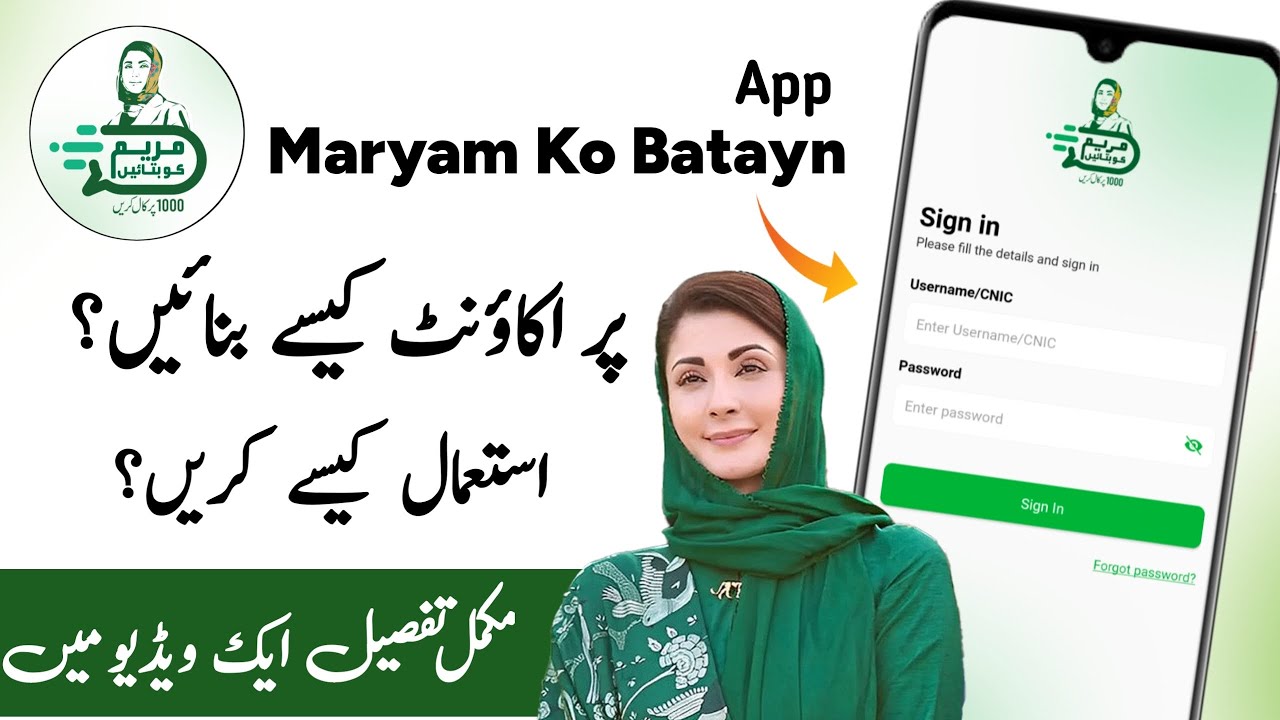
Introduction to the Maryam Ko Batayn PSPA 10,000 Cash Program 2026
The Government of Punjab has launched the Maryam Ko Batayn PSPA 10,000 Cash Program 2026 as a special financial relief initiative aimed at supporting low-income families across the province. Rising inflation, increasing food prices, and higher household expenses have created financial pressure for millions of families. In response, the provincial government introduced this program to provide immediate financial assistance to eligible households so they can manage their essential needs with greater ease. This initiative operates under the supervision of the Punjab Social Protection Authority (PSPA) and follows strict transparency guidelines to ensure that only deserving citizens benefit from the relief package.
The program provides a one-time payment of Rs. 10,000 to eligible families who meet the poverty and income criteria set by the government. This amount can help families purchase food, cover utility bills, and meet other essential household expenses. The initiative is particularly important during Ramadan, a period when spending on food and daily necessities typically increases for many households. By providing direct financial support, the government aims to reduce the burden on low-income families and improve their economic stability during challenging times.
One of the most important aspects of the Maryam Ko Batayn Program is its digital and transparent payment system. Instead of relying on manual distribution or middlemen, the government uses modern data systems and verification methods to identify eligible beneficiaries. Data from the Punjab Socio-Economic Registry (PSER) and the National Socio-Economic Registry (NSER) is used to determine eligibility and ensure accurate targeting. This approach reduces the risk of fraud and ensures that funds reach the right individuals.
Another key feature of the program is the multiple registration methods introduced by the government. Citizens can apply through SMS services, official web portals, mobile applications, and doorstep surveys conducted by Nigehban teams. These flexible options ensure that both urban and rural residents can easily register and verify their eligibility without facing unnecessary barriers. The program is designed to be accessible to everyone, including individuals who may not have internet access or digital literacy.
Overall, the Maryam Ko Batayn PSPA 10,000 Cash Program 2026 represents a major effort by the Punjab government to strengthen social welfare and reduce economic hardship among vulnerable communities. By combining digital technology, transparent verification systems, and multiple registration channels, the program aims to deliver financial relief efficiently and fairly. Understanding how the program works, who is eligible, and how to register is essential for citizens who want to benefit from this initiative.
What is the Maryam Ko Batayn Program and How Does It Work?
The Maryam Ko Batayn Program 2026 is a social welfare initiative introduced by the Government of Punjab under the leadership of Chief Minister Maryam Nawaz Sharif. The primary goal of this program is to provide direct financial assistance to financially vulnerable households so they can cope with increasing living costs. Economic challenges, including inflation and rising prices of food and essential goods, have made it difficult for many families to manage their monthly budgets. Recognizing these challenges, the government launched this relief program to provide immediate financial support.
The program is managed by the Punjab Social Protection Authority (PSPA), which is responsible for implementing various welfare initiatives across the province. PSPA oversees the registration process, verification procedures, and payment distribution to ensure that the system operates efficiently and transparently. By using modern digital systems and verified government databases, the authority can accurately identify families who qualify for financial assistance.
Under this program, eligible families receive a one-time payment of Rs. 10,000. This amount is designed to help families cover essential expenses such as food, medicine, electricity bills, and other household necessities. While the amount may not solve all financial challenges, it provides temporary relief and helps families maintain stability during difficult economic conditions. The program also aims to improve social protection by strengthening the government’s ability to support vulnerable communities.
One of the key operational aspects of the Maryam Ko Batayn Program is its integration with national poverty assessment systems. The government uses data from PSER and NSER surveys to determine the poverty level of households. These databases contain information about household income, employment status, family size, and living conditions. By analyzing this data, the system can identify families that fall within the required poverty criteria and qualify them for assistance.
Another important feature of the program is its secure payment verification system. Beneficiaries receive a unique SMS containing a five-digit passcode, which must be presented when collecting the payment. This system ensures that funds are only released to the correct recipient and reduces the risk of fraud. Additionally, the government may conduct physical verification visits through Nigehban teams to confirm the authenticity of applicants.
Overall, the Maryam Ko Batayn Program operates as a data-driven and transparent financial support system designed to assist vulnerable families. By combining digital technology with field verification and multiple registration channels, the program ensures that assistance reaches those who need it most while maintaining accountability and efficiency.
Key Benefits of the Maryam Ko Batayn 10,000 Cash Assistance Program
The Maryam Ko Batayn PSPA 10,000 Cash Program provides several important benefits that make it a valuable relief initiative for low-income families across Punjab. These benefits are designed not only to provide financial assistance but also to ensure transparency, accessibility, and security throughout the entire process. By focusing on these aspects, the government aims to build trust in the program and ensure that citizens can easily access the support they need.
One of the primary benefits of the program is direct financial assistance. Eligible families receive Rs. 10,000 in cash, which can be used to manage essential household expenses. For many low-income households, even a small amount of financial support can make a significant difference. This assistance helps families purchase food, pay utility bills, buy medicines, and cover other daily necessities. The program is particularly helpful during periods of increased spending, such as Ramadan, when families often face higher food and household costs.
Another major advantage of the program is its transparent payment system. Payments are processed through official government platforms and monitored by the Punjab Social Protection Authority. This ensures that the funds are distributed fairly and reduces the chances of corruption or misuse. The use of digital systems also allows the government to track payments and verify beneficiaries more efficiently, which improves the overall reliability of the program.
The program also includes a secure passcode withdrawal system. After a beneficiary’s application is approved, they receive an SMS containing a unique five-digit passcode. This passcode must be presented when collecting the payment, ensuring that only the registered beneficiary can withdraw the funds. This security measure protects applicants from fraud and ensures that the assistance reaches the intended recipient.
Accessibility is another key benefit of the Maryam Ko Batayn Program. The government has introduced multiple registration options, including SMS registration, online portal registration, mobile app registration, and doorstep verification through Nigehban survey teams. These options make it easier for citizens from different backgrounds and regions to apply for the program. Individuals who do not have internet access can still register through SMS or through in-person surveys conducted by government teams.
In addition, the program includes Nigehban card distribution, which allows eligible families to access their relief payments more conveniently. These cards may be delivered directly to the homes of beneficiaries, particularly in rural or remote areas where accessing payment centers may be difficult.
Together, these features make the Maryam Ko Batayn PSPA Cash Program a comprehensive and user-friendly relief initiative designed to provide financial assistance efficiently while maintaining transparency and security.
Eligibility Criteria for the Maryam Ko Batayn 10,000 Cash Scheme
To ensure that financial assistance reaches the people who need it the most, the Government of Punjab has established specific eligibility criteria for the Maryam Ko Batayn 10,000 Cash Scheme. These criteria help identify families who are genuinely facing financial difficulties and prevent misuse of public funds. Applicants must meet several conditions related to residency, income level, and identification before they can qualify for the program.
One of the most important requirements is residency in Punjab. The program is specifically designed for residents of the Punjab province, so applicants must be permanent residents of this region. This ensures that the funds allocated by the provincial government are used to support local communities and households within Punjab.
Another key eligibility requirement is household income level. Families applying for the program must have a monthly income of less than 60,000 PKR. This threshold is used to identify households that are financially vulnerable and may struggle to meet their daily needs. By setting this income limit, the government can prioritize assistance for families who are most likely to benefit from the relief program.
Applicants must also meet the Poverty Means Test (PMT) score requirement. The PMT score is a poverty assessment metric used by the government to determine the economic status of households. To qualify for the Maryam Ko Batayn Program, applicants must have a PMT score below 32. This score is calculated using data from government surveys, including the Punjab Socio-Economic Registry (PSER) and the National Socio-Economic Registry (NSER).
Another essential requirement is the possession of a valid Computerized National Identity Card (CNIC) issued by NADRA. The CNIC is used to verify the identity of applicants and ensure that each individual receives assistance only once. Applicants must also provide a registered mobile number linked to their CNIC so they can receive SMS notifications, passcodes, and updates related to their application status.
The program also includes restrictions for certain individuals. Government employees and individuals with high-salary positions may not qualify for the scheme, as the program is intended specifically for low-income families. By excluding higher-income individuals, the government ensures that the available funds are directed toward those who truly need financial support.
These eligibility criteria play an important role in maintaining the fairness and effectiveness of the Maryam Ko Batayn Cash Program. By carefully selecting beneficiaries based on verified data and clear requirements, the government can ensure that the assistance reaches deserving households and contributes to reducing poverty across Punjab.
Registration Methods for Maryam Ko Batayn PSPA 10,000 Program
The Government of Punjab has introduced multiple registration methods for the Maryam Ko Batayn PSPA 10,000 Cash Program to ensure that citizens from different regions and backgrounds can easily apply. Many households in Punjab live in rural areas or may not have access to advanced digital tools, which is why the government has designed a flexible registration system. Applicants can choose from several methods including SMS registration, online portal registration, mobile application registration, and doorstep verification through Nigehban survey teams. These options help ensure that the registration process is inclusive, accessible, and convenient for all eligible citizens.
The first and simplest registration method is SMS registration. This method is particularly useful for individuals who do not have internet access but have a basic mobile phone. To check eligibility, applicants only need to send their 13-digit CNIC number via SMS to the official government number 9999. After sending the message, the system automatically verifies the CNIC using government databases and sends a reply message confirming whether the applicant qualifies for the program. If the applicant is eligible, the SMS will include additional instructions about verification and payment procedures. This quick process allows citizens to check their eligibility within minutes without visiting any office.
Another widely used method is online registration through the official web portal. This option is suitable for individuals who have internet access and prefer completing the registration process digitally. Applicants must visit the official Punjab relief portal, enter their CNIC number, provide a registered mobile number, and complete a socio-economic information form. The portal collects household details such as income, family size, employment status, and living conditions. Once the form is submitted, the system verifies the information using data from PSER and NSER surveys. If the details match the eligibility criteria, the application moves to the next stage of approval.
The government has also launched a Maryam Ko Batayn mobile application, sometimes referred to as the Dastak App, to simplify the registration process further. Through this mobile application, users can submit their CNIC details, provide household information, and track their application status. The app also sends real-time notifications regarding eligibility confirmation, payment approval, and withdrawal instructions. This feature ensures that applicants stay informed throughout the entire process without needing to repeatedly check the website.
Finally, the government has deployed Nigehban survey teams across Punjab to conduct doorstep registrations. These teams visit households, verify their living conditions, and assist eligible families in completing the registration process. This method ensures that individuals living in remote villages, elderly citizens, or those without mobile phones can still benefit from the program. By combining digital registration with field verification, the government has created a comprehensive system that maximizes accessibility while maintaining transparency and efficiency.
Required Documents and Information for Registration
Before applying for the Maryam Ko Batayn PSPA 10,000 Cash Program, applicants should prepare certain documents and personal information to ensure a smooth registration process. Having the correct information ready helps prevent delays and increases the chances of successful verification. Since the program uses digital databases and government records to confirm eligibility, the information provided by applicants must be accurate and consistent with official records.
The most important requirement is the original Computerized National Identity Card (CNIC) issued by NADRA. The CNIC is used as the primary identification document during the registration and verification process. It allows the system to confirm the identity of the applicant and check their socio-economic information in government databases such as the National Socio-Economic Registry (NSER). Applicants must ensure that their CNIC is valid and active before starting the registration process. If a CNIC has expired or contains outdated information, it may cause delays in application approval.
Another essential requirement is a registered mobile number that belongs to the applicant or is linked to their CNIC. This mobile number is used for communication throughout the program. After registration, the government sends confirmation messages, eligibility updates, and payment notifications via SMS. In addition, when the application is approved, beneficiaries receive a secure passcode through SMS, which is required to withdraw the financial assistance. Without a registered mobile number, applicants may not receive important updates or payment instructions.
Applicants must also provide household income information during the registration process. This includes details about the total monthly income of the family, the number of earning members in the household, and any additional sources of income. The government uses this information to determine whether the household meets the income criteria set for the program. Providing accurate income details is crucial because incorrect or incomplete information may lead to disqualification.
In some cases, applicants may also need information related to PSER or NSER survey records. These surveys collect data about the economic status of households, including their living conditions, employment status, and family size. If a household has previously participated in these surveys, their information may already exist in the database, which can speed up the verification process. Applicants should ensure that the information they provide matches the data recorded in these surveys.
By preparing these documents and details in advance, applicants can complete the registration process more efficiently. Accurate information not only speeds up verification but also helps ensure that financial assistance reaches the households that truly need it.
How to Check Maryam Ko Batayn Payment Status Online
After completing the registration process, applicants naturally want to know whether their application has been approved and when they will receive the financial assistance. The Government of Punjab has introduced an online payment status checking system that allows applicants to quickly verify their application results. This system ensures transparency and keeps beneficiaries informed about the progress of their application without requiring them to visit government offices.
To check the payment status, applicants must visit the official PSPA verification portal. On the homepage of the portal, there is a dedicated section for checking application status. Applicants need to enter their 13-digit CNIC number in the provided field and click the “Check Status” or “Verify” button. The system then processes the request and retrieves the applicant’s information from the government database.
Once the verification process is complete, the portal displays the current status of the application. If the applicant meets the eligibility criteria and their application has been approved, the portal will show a message confirming that the payment has been authorized. In some cases, the portal may also display additional details such as payment instructions, withdrawal locations, or expected processing time.
If the application is still under review, the portal will indicate that the verification process is ongoing. This situation may occur if the government needs to cross-check information with PSER or NSER databases or conduct physical verification through Nigehban teams. Applicants should check the portal periodically for updates until the final decision appears.
In cases where the application is rejected, the portal usually provides a brief explanation for the rejection. Common reasons may include exceeding the income threshold, having a PMT score above the required limit, or incomplete registration details. If an applicant believes that their application was rejected due to incorrect information, they may contact the official helpline for assistance.
The online payment status system is designed to provide quick, accurate, and transparent updates to applicants. By allowing citizens to track their applications digitally, the government reduces confusion and ensures that beneficiaries remain informed about their eligibility and payment timeline.
SMS Passcode System for Secure Payment Withdrawal
To ensure that the financial assistance reaches the correct beneficiaries, the Maryam Ko Batayn PSPA program uses a secure SMS passcode system for payment withdrawal. This system is an important security measure designed to prevent fraud, protect applicants’ identities, and ensure that only authorized individuals can collect the relief amount.
Once an applicant’s registration has been verified and approved, the government sends an official SMS message to the registered mobile number provided during registration. This message contains a unique five-digit passcode that acts as a secure verification code. The passcode is generated by the system and is linked specifically to the applicant’s CNIC and application record.
When the beneficiary visits a payment center or authorized retailer to collect the funds, they must present both their CNIC and the SMS passcode. The payment representative verifies the CNIC details and enters the passcode into the system. If the passcode matches the information stored in the database, the payment is approved and the beneficiary receives the Rs. 10,000 cash assistance.
The passcode system is designed to protect beneficiaries from scams and unauthorized withdrawals. Applicants must follow several important safety guidelines when using this system. First, they should never share their passcode with anyone except the authorized payment representative at the official withdrawal center. Sharing the passcode with unknown individuals could lead to fraud or loss of funds.
Second, applicants should only trust messages sent from official government numbers. If they receive suspicious messages asking for personal information or passcodes, they should ignore them and report the issue to the official helpline. The government does not charge any fees for registration or payment processing, so any request for payment from agents or intermediaries should be treated as a potential scam.
By using the SMS passcode system, the government has created a secure and reliable payment mechanism that protects beneficiaries and ensures that financial assistance reaches the right individuals.
How to Receive the 10,000 PKR Payment
After an applicant’s eligibility has been confirmed and the payment has been approved, the next step is to collect the Rs. 10,000 cash assistance. The Government of Punjab has introduced several payment methods to ensure that beneficiaries can easily receive their funds regardless of their location or access to financial services. These methods include authorized payment centers, bank ATM withdrawals, and the use of Nigehban cards.
One of the most common methods is collecting the payment from authorized government payment centers or registered retailers. These centers are designated locations where beneficiaries can verify their identity and receive their cash assistance. When visiting a payment center, beneficiaries must bring their original CNIC and the SMS passcode they received after approval. The payment representative verifies the information in the system and releases the cash once the identity check is completed.
In some cases, beneficiaries may also receive their payments through partner banks. If the program assigns the payment through a banking channel, eligible individuals can withdraw the funds from bank ATMs or designated bank branches. This method is especially useful for beneficiaries who already have bank accounts or live near banking facilities.
Another convenient option introduced by the government is the distribution of Nigehban cards. These cards are delivered directly to eligible households, particularly in rural or remote areas. The Nigehban card acts as an identification tool that allows beneficiaries to access their relief payments more easily. By delivering these cards directly to homes, the government reduces the need for long travel and ensures that remote communities can still receive their financial assistance.
Regardless of the payment method, beneficiaries must always complete the identity verification process before receiving the funds. This includes presenting the CNIC, confirming the SMS passcode, and sometimes providing additional biometric verification if required. These steps help ensure that the payment system remains secure and transparent.
By offering multiple payment options, the Maryam Ko Batayn PSPA program ensures that beneficiaries across Punjab can conveniently receive their financial support without unnecessary complications.
Government Verification Process and Transparency Measures
The Maryam Ko Batayn PSPA 10,000 Cash Program is designed with strong verification and transparency measures to ensure that financial assistance reaches the correct beneficiaries. Since public funds are involved, the government must ensure that the program is implemented fairly and that only deserving households receive support. To achieve this goal, several verification procedures have been introduced throughout the registration and payment process.
One of the main verification methods is data cross-checking using official government databases. When an applicant submits their CNIC during registration, the system automatically checks the information against records stored in the Punjab Socio-Economic Registry (PSER) and the National Socio-Economic Registry (NSER). These databases contain detailed information about households across Pakistan, including income levels, employment status, housing conditions, and family size. By comparing the applicant’s data with these records, the system can quickly determine whether the household falls within the required poverty criteria.
In addition to digital verification, the government may also conduct physical verification visits. Special teams known as Nigehban survey teams are deployed across different districts of Punjab to visit households and confirm the accuracy of the information provided during registration. These teams check whether the applicant actually resides at the registered address and whether their living conditions match the socio-economic information recorded in government surveys. This step helps prevent fraudulent applications and ensures that the program remains fair.
Another important transparency measure is the CNIC verification system linked with NADRA. By verifying CNIC data directly with NADRA records, the government can confirm the identity of applicants and ensure that each individual receives assistance only once. This prevents duplicate applications and protects the integrity of the program.
The government also maintains a secure digital payment tracking system. Every approved payment is recorded in the system, allowing authorities to monitor the distribution process and identify any irregularities. This digital record ensures accountability and makes it easier to audit the program if needed.
Through these combined verification measures, the Maryam Ko Batayn PSPA program ensures that financial assistance is distributed fairly, transparently, and efficiently. These safeguards protect both the beneficiaries and the government, ensuring that the program achieves its goal of supporting vulnerable families.
Helpline and Support for Applicants
Applicants who encounter difficulties during registration, verification, or payment collection can seek assistance through the official Maryam Ko Batayn Program helpline. The Government of Punjab understands that many citizens may face technical or procedural issues when applying for financial assistance programs, especially those who are not familiar with digital systems. To address these concerns, a dedicated support system has been established to guide applicants and resolve their problems efficiently.
The official helpline number for the program is 0800-02345. This helpline is managed by trained representatives who provide guidance regarding various aspects of the program. Applicants can call this number to ask questions about registration methods, eligibility criteria, payment verification, and withdrawal procedures. The helpline staff can also assist individuals who have submitted an application but have not yet received a response or confirmation message.
One of the most common reasons people contact the helpline is registration issues. For example, some applicants may send their CNIC number through SMS but fail to receive a reply due to network delays or incorrect formatting of the CNIC. In such cases, the helpline staff can explain the correct procedure and help applicants resend their request successfully.
Another frequent concern is eligibility verification. Some individuals may believe they qualify for the program but receive a message stating that they are not eligible. The helpline can provide clarification about eligibility criteria and help applicants understand the reasons for rejection. In some cases, applicants may need to update their information or wait for verification to be completed.
Applicants can also contact the helpline for payment status inquiries. If a beneficiary’s application has been approved but they have not received the payment instructions or SMS passcode, the support team can check the system and provide updated information.
Additionally, the helpline assists with technical issues related to the online portal or mobile application. If users experience login problems, form submission errors, or difficulties tracking their application status, the support team can guide them through the necessary steps to resolve these issues.
By providing a dedicated helpline service, the government ensures that citizens have reliable support throughout the entire application process. This assistance helps applicants complete their registration successfully and receive their financial support without unnecessary delays.
Important Safety Guidelines for Applicants
While the Maryam Ko Batayn PSPA 10,000 Cash Program is designed to provide financial assistance to deserving families, applicants must remain cautious to avoid scams and fraudulent activities. Whenever government programs involve financial payments, there is a risk that unauthorized individuals may attempt to deceive citizens by pretending to represent the program. To protect beneficiaries, the government has issued several safety guidelines that applicants should follow throughout the registration and payment process.
First and most importantly, applicants should remember that the entire application process is completely free of charge. The government does not require any registration fees, service charges, or payment to process applications. If someone claims that they can register an applicant faster in exchange for money, that claim is false and should be ignored. Paying agents or middlemen will not increase the chances of approval, and it may result in financial loss.
Another important guideline is to use only official government platforms for registration. Applicants should send their CNIC number only to the official SMS number provided by the government and should access the program portal through verified websites. Using unofficial websites or links shared through social media can expose applicants to scams or data theft.
Applicants should also protect their CNIC and SMS passcode. These details are sensitive and should never be shared with unknown individuals. The passcode sent by the government is specifically meant for payment verification, and sharing it with someone else could allow them to withdraw the funds fraudulently.
In addition, applicants should be cautious when receiving phone calls or messages claiming to represent the program. Official government representatives will not ask for personal information such as bank account details, passwords, or payment fees. If an applicant receives a suspicious call or message, they should report it to the official helpline.
By following these safety precautions, applicants can protect themselves from fraud and ensure that they receive their financial assistance securely.
Why the Maryam Ko Batayn Program is Important for Punjab
The Maryam Ko Batayn PSPA 10,000 Cash Program is more than just a financial assistance initiative; it represents a broader effort by the Government of Punjab to strengthen social protection and support vulnerable communities. In recent years, economic challenges such as inflation, rising fuel prices, and increased costs of essential goods have placed significant pressure on low-income families. Many households struggle to meet their daily needs, making government support programs increasingly important.
One of the key reasons this program is significant is its focus on targeted financial relief. By using data from socio-economic surveys and government databases, the program identifies households that are most likely to need assistance. This targeted approach ensures that limited resources are directed toward families facing genuine financial hardship.
The program also contributes to food security and household stability. Even a single payment of Rs. 10,000 can help families purchase essential food items, pay utility bills, or cover medical expenses. During periods like Ramadan, when food consumption increases and expenses rise, this financial support can provide meaningful relief.
Another important aspect of the program is its emphasis on transparency and accountability. By using digital registration systems, SMS verification, and passcode-based payment withdrawal, the government minimizes the risk of corruption and ensures that funds reach the intended beneficiaries. These measures help build public trust in social welfare programs.
The program also plays a role in improving access to government services. Many citizens who previously had limited interaction with digital systems are now becoming familiar with online portals, SMS services, and mobile applications. This digital inclusion can help citizens access other government services in the future.
Overall, the Maryam Ko Batayn Program represents an important step toward building a stronger social safety net in Punjab. By combining financial assistance with modern technology and transparent processes, the program helps reduce economic hardship and improve the well-being of vulnerable families.
Final Words
The Maryam Ko Batayn PSPA 10,000 Cash Program 2026 is a major relief initiative aimed at supporting low-income families across Punjab. With rising living costs and economic challenges affecting many households, this program provides timely financial assistance that can help families manage their essential expenses. By offering a one-time payment of Rs. 10,000, the government aims to reduce financial pressure and provide temporary stability to vulnerable communities.
One of the strongest aspects of the program is its flexible registration system. Citizens can apply through SMS, online portals, mobile applications, or doorstep surveys conducted by Nigehban teams. This ensures that people from both urban and rural areas can easily participate in the program. The use of digital verification systems and passcode-based payments also ensures transparency and security throughout the process.
Eligible applicants should complete their registration as soon as possible, ensure that their CNIC and mobile number information is accurate, and regularly check their application status through official channels. By following the correct procedures and safety guidelines, beneficiaries can receive their financial assistance smoothly and securely.
The Maryam Ko Batayn Program demonstrates the government’s commitment to strengthening social welfare and supporting families during difficult economic conditions. As the program continues to expand and improve, it has the potential to play an important role in reducing poverty and improving the quality of life for many citizens across Punjab.